

Why Choose Us
Production Capacity
At present, Haibao has Over 30 million units of production capacity and an output value of more than 750 million USD. The comprehensive strength of Haibao is the best in the industry, as a well-known AGM (Absorbent Glass Mat Battery), GEL, Deep Cycle, Lead Carbon, OPzV battery, OPzS battery, Lead Acid batteries, and Lithium batteries for all kinds of industrial applications like Solar System, UPS system, Telecom, Data Centers, Rail Transit, Motive Vehicles, etc.
Our Certificates
With 1,000 employees, more than 400 senior technical personnel, Haibao has strong technical strength and advanced equipment. Haibao has passed the ISO9001 quality system, ISO14001 environmental system certification, ISO45001, ISO5001, ISO10012,ISO18001 and so on.
Our Product
Lead acid battery/ Lithium battery/ EV battery/ Industry battery/ Battery packs for replacing lead acid/ gel/ agm battery/ Battery packs for RV&machinery&equipment.
After-sales service
Return and exchange service: According to the after-sales service policy, provide customers with convenient return and exchange services to protect customer rights.Customer feedback and improvement: Actively collect customer feedback and suggestions, continuously optimize product and service quality, and improve customer satisfaction.
What is AGM Battery for Powered Access
AGM means absorbed glass mat, and it means the battery acid inside is absorbed into fiberglass mats instead of sitting as a free-flowing liquid.The fiberglass mats spread more of the electrolyte in contact with the ultra-thin lead plates — all while cushioning the battery against knocks, bumps and vibrations. Because of the absorbent glass mats, battery makers can literally squeeze in more lead plates. More lead in the battery means more available power.

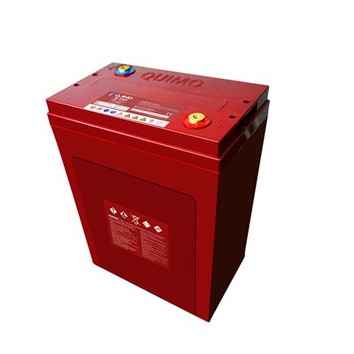
Benefits of AGM Battery for Powered Access
Superior Power Capacity
AGM batteries are capable of delivering high bursts of amps, making them suitable for modern vehicles that require a lot of power in a short time, such as during cold starts. Their design allows for a lower internal resistance, which means they can charge faster and more efficiently than conventional batteries.
Maintenance-Free
One of the most appealing features of AGM batteries is that they are maintenance-free. Unlike traditional flooded lead-acid batteries, which require regular topping up with distilled water, AGM batteries do not need any additional fluid throughout their life. This feature eliminates the risk of acid spills, reduces the time and effort required for maintenance, and makes them a safer option in terms of handling.
Durability and Vibration Resistance
AGM batteries are built to withstand severe conditions. They are well-suited for applications involving high vibration levels, such as in off-road vehicles or marine environments. The tightly packed construction of the glass mat and lead plates minimizes movement inside the battery, thus preventing damage and prolonging battery life.
Improved Safety
The sealed design of AGM batteries not only helps contain the electrolyte but also significantly reduces the risk of explosion caused by external sparks. This feature is crucial in settings where safety is paramount, such as in closed spaces or near sensitive electronic equipment.
Temperature Resistance
AGM batteries perform better in both low and high temperatures compared to traditional batteries. This resistance to temperature extremes makes them ideal for use in harsh weather conditions, ensuring reliability when it's most needed.
Application of AGM Battery for Powered Access
Automotive Vehicle Use
The unique design of an AGM battery, which includes the use of positive and negative plates separated by an absorbent glass mat, has resulted in a higher voltage output, making them a suitable choice to power the technology found in modern and heavy-duty vehicles. Furthermore, AGM batteries are estimated to last quite a bit longer than a comparable lead acid battery in start-stop applications, providing a reliable and long-lasting source for your vehicle.
Marine Applications
Marine applications are another area where an AGM battery excel. Their ability to tolerate vibration and the salinity of seawater makes them a popular choice for boats and other marine vehicles. AGM batteries are highly versatile and can be utilized as dual-purpose batteries for boats, providing both strong starting power and sufficient cycling power to power additional applications.Moreover, AGM batteries are more resistant to terminal corrosion and can provide reliable power for trolling motors and other onboard electronics in marine applications. Their maintenance-free nature and sealed design make them a safe and reliable option for boaters who want to focus on enjoying their time on the water instead of worrying about their batteries.
RV Applications
AGM batteries work for RV applications as well, providing reliable power for lights, appliances, and other RV accessories. Their ability to withstand deep discharges, vibration resistance, and being free of maintenance nature make them an excellent choice for RV enthusiasts who want a dependable power source without the need for constant upkeep.In addition, their sealed design and resistance to acid spillage make AGM batteries a safe and environmentally friendly option for use in RVs. The numerous advantages of AGM batteries are a top choice for RV owners looking for a reliable and hassle-free energy storage solution.
AGM Battery for Powered Access Components
Lead Plates
AGM batteries contain lead plates, which serve as the positive and negative electrodes. These plates are typically made of a lead-calcium alloy to improve their durability and reduce water loss during charging.
Absorbent Glass Mat (AGM)
AGM batteries feature a fiberglass mat separator that is saturated with electrolyte (usually sulfuric acid). This mat is placed between the lead plates and acts as a sponge to hold the electrolyte in place, preventing spillage and allowing for a maintenance-free design.
Electrolyte
The electrolyte in AGM batteries is typically sulfuric acid (H2SO4), which is absorbed into the fiberglass mat. This electrolyte facilitates the electrochemical reactions that occur during battery discharge and recharge cycles.
Battery Case
The battery case houses all the internal components and provides physical protection and containment for the electrolyte and other materials.
AGM Battery Vs Regular Battery(Flooded)

Construction

Maintenance

Performance
How to Choose AGM Battery for Powered Access
Motor Specifications
Voltage: Ensure the AGM battery voltage matches the voltage requirements of your motor. Common voltages for electric motors include 12V, 24V, 36V, and 48V. Using a battery with an incompatible voltage can damage the motor or lead to inefficient operation.Continuous Current Draw (CCD): The CCD refers to the constant current the motor draws during operation. Choose an AGM battery with a capacity that exceeds the motor's CCD to ensure sufficient power delivery and prevent premature battery discharge. Battery capacity is typically measured in amp-hours (Ah).
Battery Capacity (Ah)
The battery's Ah rating indicates the total amount of current it can deliver over a specific time period. A higher Ah rating translates to longer runtime between charges. Here's a simplified approach to estimate the required battery capacity:Runtime (hours) = Battery Capacity (Ah) / Motor CCD (amps)This is a basic formula, and factors like motor efficiency and operating temperature can influence runtime. Consider using a safety factor of 1.2 to 1.5 times the calculated runtime to account for these variables and ensure adequate power reserves.
Cold Cranking Amps (CCA)
While cold cranking amps (CCA) may not be as crucial for electric motors as they are for starting gasoline engines, they can still be pertinent for applications involving high initial loads, such as winches or mobility scooters used on inclines. A higher CCA rating indicates better performance in cold temperatures, making it an important consideration for ensuring reliable operation in challenging environmental conditions.
Discharge Rate
Deep-cycle AGM (Absorbent Glass Mat) batteries are specifically engineered for applications that involve frequent discharges and recharges, such as in renewable energy systems, RVs, boats, and off-grid solar power systems. These batteries are designed to provide sustained power over extended periods, making them ideal for deep-discharge cycles.
How AGM Batteries Work
Absorption
During charging, the glass mat absorbs and retains the electrolyte, preventing spillage and making AGM batteries maintenance-free. This also means they can be installed in various positions, including on their side, without the risk of leakage.
Recombination
AGM batteries employ a unique recombination process. As gas is produced during charging and discharging-a process that's normal conditions for all batteries – it is recombined within the battery rather than being released into the atmosphere. This minimizes the need for topping up the electrolyte.
Low Internal Resistance
AGM batteries have lower internal resistance compared to flooded lead-acid batteries. This results in quicker charging and discharging, making them ideal for high-demand applications.
How to charge an AGM battery
Plug in your AGM-compatible battery charger. Follow any other instructions for your specific charger.Connect a backup power supply to the onboard diagnostics OBD-II Port.
Disconnect the car's negative terminal and wrap it with a glove, rag or anything to prevent it from touching any metal. The negative cable is usually black, but you can also look for a minus (-) symbol on the cable as well.
IMPORTANT: Select AGM or Absorbed for the battery type on your charger. A smart charger may detect the voltage and battery type when you connect it, but don't leave it to chance. Select 12 volts to match the voltage of your AGM battery.
Connect the charger to your car battery posts. Again, check the indicator lights and make sure they're set to AGM or Absorbed.
Start the charger and wait two to eight hours to fully charge your AGM battery.
Disconnect the charger from the battery when it's done. Your charger's indicator light will signal when it's done charging the battery.
Again, avoid letting the charger's clamps touch the battery's loose negative clamp.Reconnect the car's negative terminal to the battery. Disconnect the backup battery. Now you're ready to hit the road with a fresh start.
AGM Batteries Should Never Be Partially Charged
In order to preserve their capacity, all absorbent glass mat batteries must be fully charged to 100 percent. When AGM batteries are only partially charged, they lose their ability to charge to their maximum capacity over time. If you only charge your AGM battery to 60% all the time, it may eventually fail to charge beyond that point. As a result, the battery's lifespan is reduced.
How to Store Your AGM Battery
Make sure your battery is stored in a cool, dry location with plenty of ventilation. Sulfation will occur if your battery is left drained for long periods of time. Always ensure to recharge your AGM battery when keeping it for prolonged periods of time.
They Should Be Charged at the Correct Temperature
To extend the life of the batteries, charge them while the temperature is between 0° and 40° celsius. If you charge lead-acid batteries in temperatures between 0° and above 40°, they can be damaged. Because AGM batteries are made of lead acid, you should prevent charging them in extreme temperatures.


Only Use the Chargers Advised by the Manufacturer
A huge AGM battery will certainly demand a large charger capable of matching its capacity. In most cases, the capacity of the AGM batteries and chargers is shown in amperes. Simply checking the suggested amps on the battery will tell you which charger is best for your AGM battery.
Preventing Sulfation
The ability of the battery to keep a charge is affected by sulfation. When a battery is not given a complete charge, sulfation develops and persists on the battery plates. It can be avoided if you keep your AGM battery charged during and before storage. In addition, to reduce the impact of sulfation, utilize the AGM battery's recommended charger.
The AGM Battery Should Not Be Overcharged
Determine the correct voltage as specified in the manufacturer's instructions to charge your AGM battery effectively. To charge your AGM battery, avoid using a standard fuel generator. Overcharging might destroy the structural components of your AGM battery. Similarly, undercharging might affect the longevity of an AGM battery.
Our factory
Haibao Battery was established in the 1960s of the last century, formerly known as the Shanghai 71 battery factory. In 1993, Shanghai Haibao Special Power Co. , Ltd. was officially established and became the earliest electric vehicle power battery research and development enterprise in China. In the same year, in cooperation with Shanghai Bicycle Factory No. 2, we developed China's first electric car and the first electric car battery, "Haibao" battery.At present, Haibao has Over 30 million units of production capacity and an output value of more than 750 million USD. The comprehensive strength of Haibao is the best in the industry, as a well-known AGM (Absorbent Glass Mat Battery), GEL, Deep Cycle, Lead Carbon, OPzV battery, OPzS battery, Lead Acid batteries, and Lithium batteries for all kinds of industrial applications like Solar System, UPS system, Telecom, Data Centers, Rail Transit, Motive Vehicles, etc.

FAQ
As one of the leading AGM battery for powered access manufacturers and suppliers in China, we warmly welcome you to wholesale AGM battery for powered access for sale here and get pricelist from our factory. All our products are with high quality and competitive price.
agm battery for lpg forklift, Boom Lift Battery, agm battery for scissor lift